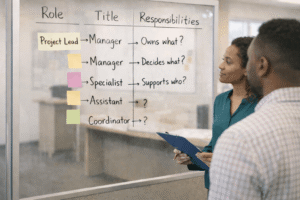
Construction projects rarely fail because of a lack of expertise. More often, they slow down—or fall apart—because details slip through the cracks. Drawings get updated, vendors change timelines, paperwork piles up, and suddenly no one has a clear picture of what’s happening day to day.
That’s where a construction project coordinator quietly becomes one of the most valuable roles on the team.
While project managers focus on strategy, budgets, and client relationships, project coordinators handle the operational glue that keeps everything moving. Without them, even well-planned projects can lose momentum.
When Coordination Breaks Down, Projects Pay the Price
In growing construction companies, coordination is often the first function to strain. As projects multiply, so do emails, schedules, RFIs, invoices, permits, and subcontractor updates. When these tasks are spread across already-busy project managers or field teams, delays and miscommunication become inevitable.
Missed documents, outdated schedules, or slow follow-ups don’t just create internal frustration—they directly impact timelines, budgets, and client confidence. Strong coordination is no longer optional; it’s a requirement for staying competitive in today’s construction environment.
What Does a Construction Project Coordinator Do?
A construction project coordinator supports the daily operations of active projects, ensuring that information flows smoothly between teams, vendors, and stakeholders. While the role varies by company, responsibilities typically center on organization, communication, and follow-through.
In practice, project coordinators act as the operational backbone of construction teams—keeping projects aligned while managers focus on higher-level decisions.
Key Responsibilities of a Construction Project Coordinator
Managing Project Documentation
Project coordinators organize and maintain essential documents such as contracts, permits, plans, RFIs, change orders, and reports. Having accurate, up-to-date documentation readily available prevents confusion and reduces costly delays.
Supporting Scheduling and Timelines
They assist with project schedules, track milestones, and help ensure tasks remain aligned with overall timelines. When changes occur, coordinators communicate updates across teams to avoid misalignment.
Coordinating Communication
From subcontractors and suppliers to internal teams, project coordinators keep communication clear and consistent. They follow up on requests, relay updates, and help prevent small issues from escalating into larger problems.
Tracking Progress and Deliverables
Coordinators monitor task completion, flag potential bottlenecks, and support reporting so leadership always has visibility into project status.
Assisting with Administrative and Billing Tasks
In many companies, project coordinators also support invoicing, purchase orders, and cost tracking—helping ensure financial processes stay organized and accurate.
Construction Project Coordinator vs. Project Manager
While the two roles work closely together, their focus is different.
Project managers oversee the big picture: budgets, contracts, client relationships, and overall project strategy. Project coordinators focus on execution—making sure daily tasks, documentation, and communication stay on track.
In growing construction firms, separating these roles is often what allows managers to scale effectively without burning out or losing control over details.
Where Project Coordination Breaks Down Most Often
Even well-run construction companies experience coordination breakdowns—especially during periods of growth. The most common friction points usually aren’t technical; they’re operational.
Typical coordination gaps include:
- RFIs that go unanswered or aren’t properly tracked
- Schedule changes that don’t reach every stakeholder
- Outdated drawings or documents circulating in parallel
- Follow-ups falling on project managers who are already overloaded
Individually, these issues may seem manageable. Together, they create bottlenecks that slow progress, increase rework, and strain relationships with clients and subcontractors.
A dedicated project coordinator brings ownership and structure to these details, ensuring nothing gets lost as projects move forward.
What Happens When Project Managers Handle Coordination Themselves
In many construction companies, project managers absorb coordination work by default. On paper, this feels efficient. In practice, it creates hidden costs.
When PMs spend their time chasing documents, answering routine emails, or tracking follow-ups—tasks often handled by a construction CSR team—several things happen:
- Strategic planning gets deprioritized
- Decisions are delayed due to constant interruptions
- Communication becomes reactive instead of proactive
- Burnout risk increases
Over time, this limits how many projects a PM can effectively manage. Adding more work doesn’t scale the business—it strains it. Project coordinators remove this friction, allowing PMs to focus on leadership, risk management, and client-facing responsibilities.
Why Project Coordination Becomes Critical as Companies Grow
As construction companies take on more projects, coordination demands increase exponentially. What once worked with informal processes quickly becomes unsustainable.
A dedicated construction project coordinator helps companies:
Reduce delays caused by miscommunication
Improve accountability across teams
Keep project managers focused on leadership and growth
Maintain consistency across multiple projects
For many firms, adding this role marks the shift from reactive problem-solving to proactive operations.
Tools and Systems Project Coordinators Typically Support
Modern project coordination relies heavily on digital tools. Project coordinators often work across multiple platforms to keep information centralized and accessible.
Common systems include:
- Project management platforms like Procore, Buildertrend, or Monday.com
- Scheduling and tracking tools such as Smartsheet or shared calendars
- Document management systems like Google Drive or SharePoint
- Communication tools including email, Slack, or Microsoft Teams
By keeping these systems updated and aligned, project coordinators ensure everyone—from leadership to estimators and field crews—works with the same information in real time.
How Project Coordination Enables Construction Teams to Scale
A construction project coordinator doesn’t just keep projects organized—they create the operational stability companies need to grow.
When coordination is inconsistent, every new project adds friction: more emails to track, more documents to manage, and more follow-ups landing on already-overloaded managers. As volume increases, this lack of structure turns into delays, budget overruns, and internal burnout.
Dedicated project coordinators introduce repeatable systems for documentation, scheduling, and communication. This allows construction companies to take on more work without losing control, transforming execution from reactive to scalable.
Hiring a Construction Project Coordinator: Local vs. Remote
Hiring locally can be challenging. Demand for experienced coordinators is high, salaries continue to rise, and administrative roles are often difficult to fill quickly—especially during growth phases.
That’s why many construction companies are exploring remote coordination models. A remote construction project coordinator can support documentation, scheduling, communication, and reporting—without the cost and constraints of local hiring.
When properly integrated, remote coordinators work inside the same tools, follow the same workflows, and collaborate in real time with U.S.-based teams.
Learn how OfficeTwo helps construction companies build dedicated project coordination roles that scale with their operations.
Why Strong Project Coordination Is a Competitive Advantage
Construction projects succeed when execution matches planning—and strong coordination is what makes that possible. A construction project coordinator may not always be the most visible role on the team, but their impact is felt across every phase of a project.
As operations become more complex, investing in dedicated coordination isn’t just about efficiency—it’s about protecting timelines, budgets, and long-term reputation.
Final Thoughts: Strong Coordination Is What Keeps Growth Sustainable
Construction projects don’t fail because teams lack skill—they fail when coordination breaks down under pressure.
As companies grow, relying on project managers or field teams to “handle everything” becomes unsustainable. A dedicated construction project coordinator provides the structure, visibility, and consistency needed to protect timelines, budgets, and client relationships.
OfficeTwo helps construction companies build reliable project coordination teams with vetted, bilingual professionals based in Argentina, trained to support U.S. workflows, tools, and schedules in real time.
If your projects are growing faster than your ability to manage details, adding dedicated coordination support isn’t an extra cost—it’s an operational advantage.
Partner with OfficeTwo to build a project coordination team that keeps your construction operations on track and ready to scale.
FAQ
What does a construction project coordinator do?
A construction project coordinator supports daily project operations by managing documentation, schedules, communication, and follow-ups. They ensure information flows smoothly between project managers, field teams, subcontractors, and vendors, helping prevent delays and miscommunication.
How is a project coordinator different from a project manager?
Project managers focus on strategy, budgets, contracts, and client relationships. Project coordinators focus on execution—handling day-to-day organization, documentation, and coordination to keep projects running smoothly.
Can a construction project coordinator work remotely?
Yes. Many coordination tasks—such as documentation management, scheduling support, reporting, and communication—can be handled remotely. With the right tools and workflows, remote coordinators integrate seamlessly into construction teams.
When should a construction company add a project coordinator?
Common signs include delayed follow-ups, disorganized documentation, overwhelmed project managers, and communication gaps between office and field teams. These issues often appear as companies take on more projects.
How does OfficeTwo support construction project coordination?
OfficeTwo provides vetted, bilingual project coordinators based in Argentina who work in U.S.-aligned time zones. They support construction teams with documentation, scheduling, communication, and reporting—without the cost and constraints of local hiring.